
How to Ship a Non-Running or Inoperable Vehicle
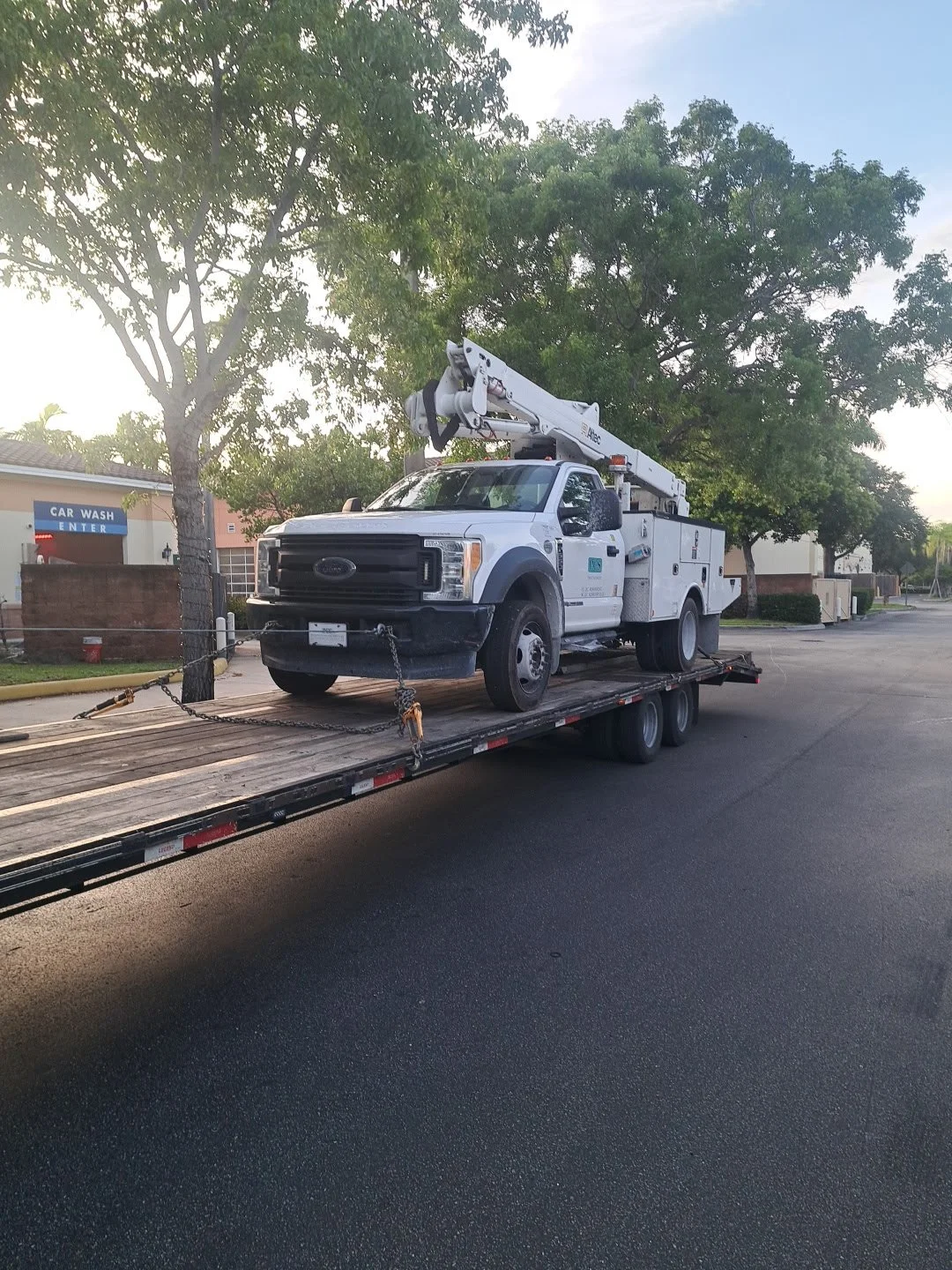
Inoperable work truck being loaded via winch.
How to Ship a Non-Running or Inoperable Vehicle
Many people assume a vehicle must run in order to be transported. That isn’t true. Non-running cars — including project vehicles, classics, repossessions, or damaged cars — can absolutely be shipped with the right equipment.
What Counts as a Non-Running Vehicle?
Your vehicle is considered “inoperable” if:
It won’t start
It won’t drive on/off a trailer
It can’t be put in neutral
Tires don’t hold air
It’s missing key parts
These vehicles require special loading equipment.
Special Equipment Required
Non-running vehicle transport often needs:
Winch
Forklift or crane
Special ramps
Flatbed or enclosed trailer
Not all carriers offer this, which is why it must be specified upfront.
Cost Difference for Inoperable Transport
Expect inoperable transport to cost $150–$500 more depending on:
Condition of vehicle
Accessibility
Distance
Weight
Equipment needed
How To Prepare a Non-Running Car
Inflate tires if possible
Ensure wheels turn
Release parking brake
Provide key or access to interior
Remove personal items
Learn more: “Transporting Classic & Project Cars Safely”
Moving a Non-Running Vehicle?
We specialize in difficult and specialty cases. Request your non-running vehicle quote today!